Organic Search and Conversion Optimization
Understanding the Basics of SEO and CRO
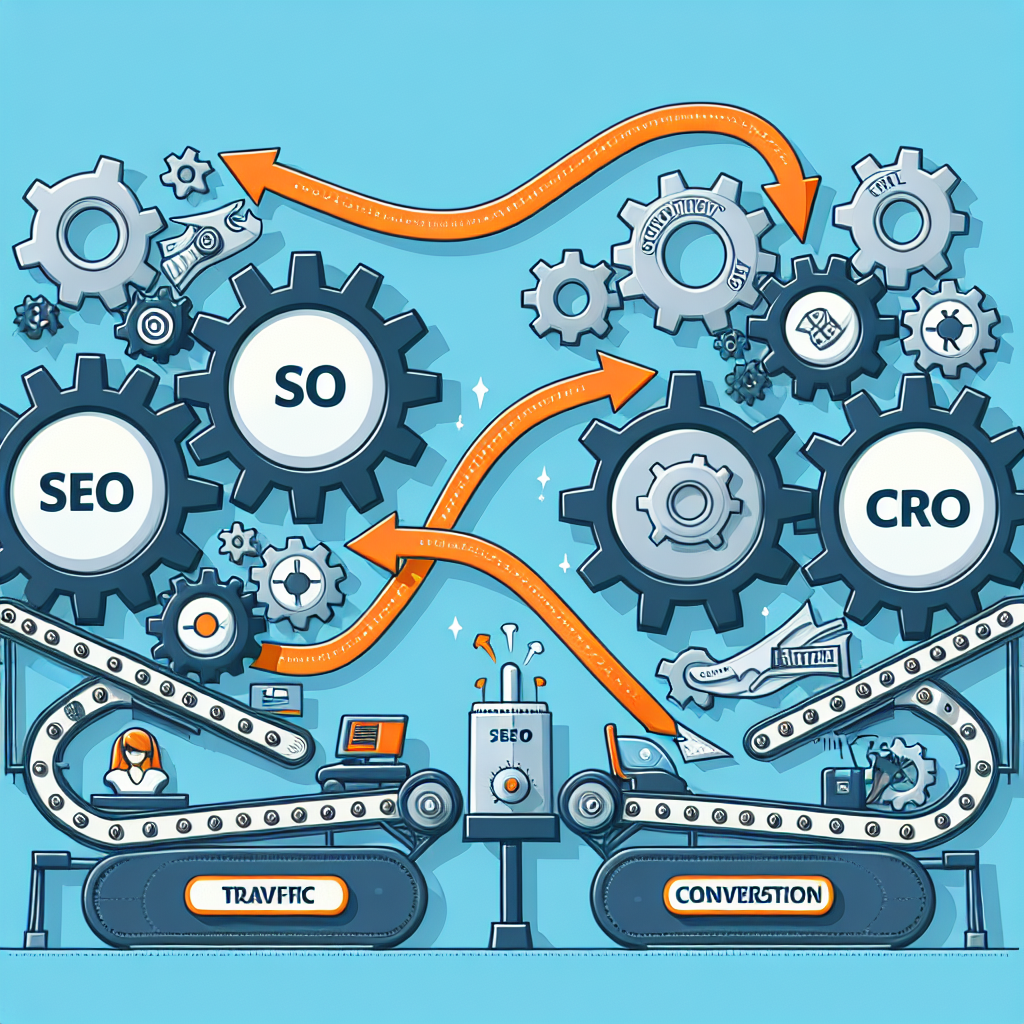
Hey there! So, you wanna know how SEO and CRO work together? Well, let’s start with the basics. SEO stands for Search Engine Optimization. It’s all about making sure your website shows up when folks search on Google. CRO, on the other hand, stands for Conversion Rate Optimization, which is the secret sauce for getting those visitors to actually do something on your site—like buy something, sign up, or fill out a form. Think of SEO and CRO as two teammates working together to win the big marketing game!
When you get these two working in harmony, magic happens. Your SEO efforts bring in visitors and CRO turns them into loyal customers. It’s like SEO is the friendly person inviting everyone to your party, and CRO is the charming host making sure they’re having a good time. Both go hand in hand to maximize your site’s potential.
But not just any magic happens. We’re talking about measurable, impactful change. With the right balance of organic search traffic and conversion tactics, your business can see real growth. People often overlook how intertwined these strategies can be. Believe me, once you’ve got your groove going with both, you’ll wonder how you ever managed apart.
The Balance Between Traffic and Conversions
One key lesson I’ve learned in marketing is that you can’t have one without the other if you want to be successful in the long run. A truckload of traffic is great, but if none of those visitors are converting, then you’re missing out on the full potential of your marketing efforts. We need those visitors to take action.
When combining SEO and CRO, it’s crucial to focus not just on driving traffic but also on ensuring the site is optimized for these visitors. This means your site should look good, be easy to navigate, and have clear calls to action. All these together boost conversions.
Trust me, I’ve been down that road where you think, “If I can just get more people to visit…” But then, you start seeing the magic when you also make that visit delightful—through a seamless experience that makes them want to stick around and eventually convert. That’s where the balance lies.
Case Studies: Success with SEO and CRO
Some of my favorite stories involve businesses that totally transformed because they mastered the art of balancing SEO with CRO. There was this small e-commerce site I worked with. They were bringing a fair amount of traffic but struggling to turn that into sales.
By improving their SEO to target better, more relevant keywords and refining their visual layout to guide users effortlessly to checkout, we saw a huge spike in their sales. It’s like they suddenly became the hottest shop in town.
And they’re not alone. Many companies have tapped into this dynamic duo to skyrocket their success. So, next time you consider your strategy, remember that both elements are crucial pegs in the wheel of digital marketing.
Improving User Experience Through SEO
Why UX Matters in SEO
You might think that SEO is just about keywords, but there’s more to it! A vital part of SEO is improving the user experience (UX) on your site. After all, what good is driving traffic if visitors find your site clunky and leave immediately?
From clean, intuitive design to quick loading times and mobile responsiveness, ensuring a seamless user experience isn’t just good for visitors—it’s essential for SEO. Search engines notice how users interact with your site. If they bounce quickly, that sends a signal that maybe your site isn’t the best result for that search.
We’ve all had those moments, haven’t we? You click on a ‘promising link’ only to be met by a confusing mess. The faster your page loads and the easier it is to find information, the better both your user retention and SEO will be.
Implementing SEO-Friendly Designs
Come on, we all know that first impressions count, right? That’s why making sure your site is aesthetically pleasing and functional is key. A well-laid-out site not only pleases the eye but also helps with ranking. Google likes it when people like your site.
One trick up my sleeve is making navigation super intuitive. When users can get where they want to go easily, they stay longer. Longer visits lead to higher rankings, simple as that. We need to think of our websites like a good tour guide—helpful and easy to follow.
Even little things like color harmony, font choices, and interactive elements can make a significant difference. These elements contribute to an overall enjoyable browsing experience that can keep visitors coming back for more.
SEO Tools for Enhancing UX
You don’t have to be a tech wizard to enhance user experience. Plenty of tools out there can give you insights into how to improve your site. Google Analytics and Google Search Console are fantastic places to start. These tools tell you what pages users visit the most and where they’re dropping off.
Using heatmaps, like Hotjar or Crazy Egg, can also work wonders. They show where people are clicking and scrolling, so you can make sure your important content is right where it needs to be. Talk about seeing your site from the users’ eyes!
These insights can help guide your decisions and show you where to make fine tweaks. Remember, enhancing UX isn’t a one-time task; it’s a continuous process aimed at maintaining and improving your site’s traffic and search engine friendliness.
Keyword Strategies for Better CRO
The Power of Intent-Based Keywords
One thing I love teaching is the power of intent-based keywords. Instead of just going after high-volume keywords, it’s important to focus on what your potential customers are really searching for. It’s like reading their minds.
Intent-based keywords are those phrases people use when they’re closer to making a purchase or decision. They’re gold for CRO because they bring in more targeted visitors who are ready to convert. Think about it: “buy running shoes” is much more specific than just “running shoes.”
By focusing on these intent-driven keywords, we can tailor our pages to meet those specific needs, making it more likely visitors will convert. This transforms random visitors into valuable, action-driven customers.
Crafting Compelling Content Around Keywords
Once you’ve got your list of intent-based keywords, it’s time to craft some killer content. This doesn’t just mean throwing keywords in every sentence but weaving them naturally into valuable and engaging material.
Your content should speak to the reader, answer their questions, and guide them along the buying journey. You’re not just writing for algorithms—you’re writing for people! When you master this, conversions are inevitable.
I usually suggest taking a storytelling approach. Engage with real-life examples or case studies. Paint a picture of how your product or service can solve their problems. The connection you build through words can nudge your visitors into action.
Testing and Tweaking for Best Results
Listen, I’m all for experimentation. Marketing isn’t static, and neither should your strategies be. Testing and tweaking your keyword strategies are crucial to maximizing your CRO efforts. A/B testing can be your best friend here.
By running tests on different headlines, calls to action, or even the layout of your page, you can gather data on what truly resonates with your audience. It’s like talking directly to them, hearing their feedback without them actually saying anything.
Remember, what works today might not work tomorrow. The digital landscape is always evolving, and staying adaptable is the key to staying ahead of the game. Trust me, once you adopt a testing mindset, the sky’s the limit.
Data-Driven SEO and CRO Integration
The Role of Analytics in SEO and CRO
Data is king, especially when we’re talking about SEO and CRO. Understanding how people find your site and what they do once they’re there is crucial. It’s all about using data to make informed decisions that drive better results.
Tools like Google Analytics provide a treasure trove of information. Want to know what keywords bring in the most traffic? It’s there. Need to see which pages have the highest bounce rates? That’s there too. The trick is knowing what to look for.
By diving deep into your analytics, you can identify strengths and weaknesses and tailor your SEO and CRO strategies accordingly. It’s like having a roadmap to success—all you need to do is follow it diligently.
Integrating Insights for Unified Strategies
Once you have that data, it’s time to integrate insights across your SEO and CRO strategies. This is about creating a seamless experience where everything works together to achieve common goals.
For example, if you notice a keyword brings a lot of traffic but not enough conversions, you might need to refine the corresponding landing page’s CTA or content. Getting teams to collaborate effectively here can work wonders.
This integration isn’t just beneficial, it’s essential. When SEO and CRO work towards common metrics, it’s easier to measure success and continually optimize strategies. Together, they not only boost your site’s performance but also ensure sustainable growth.
Future-Proofing Your SEO and CRO Efforts
Let’s talk future-proofing. The world of SEO and CRO is always changing—algorithms get updates, user behavior evolves, and new technologies emerge. Therefore, your strategies need to be adaptable and forward-thinking.
Getting into the habit of timely reviews and keeping up with industry trends can help you stay ahead of the curve. Joining webinars, reading expert blogs (like you’re doing now), and networking can keep you informed.
Ultimately, integrating your data-driven SEO with CRO strategies means you’re not just planning for today; you’re building for tomorrow. A robust foundation combined with dynamic adaptability is what will carry you to long-term success in this ever-evolving digital landscape.
FAQ
What is the difference between SEO and CRO?
SEO focuses on driving traffic to your website, while CRO focuses on converting that traffic into leads or sales. It’s like attracting a crowd and then making sure they enjoy the event!
How can SEO impact user experience?
SEO can significantly enhance user experience by ensuring a site is fast, mobile-friendly, and easy to navigate. These factors are all important for both SEO rankings and keeping users happy while they are browsing.
Why is it important to use intent-based keywords?
Intent-based keywords help target users who are closer to making a conversion decision, thus making SEO efforts more efficient and increasing the likelihood of turning visitors into customers.
How do analytics tie into SEO and CRO strategies?
Analytics provide data-driven insights into how users find and interact with your site. With this data, you can refine both SEO and CRO strategies to better meet user needs and achieve your business goals.