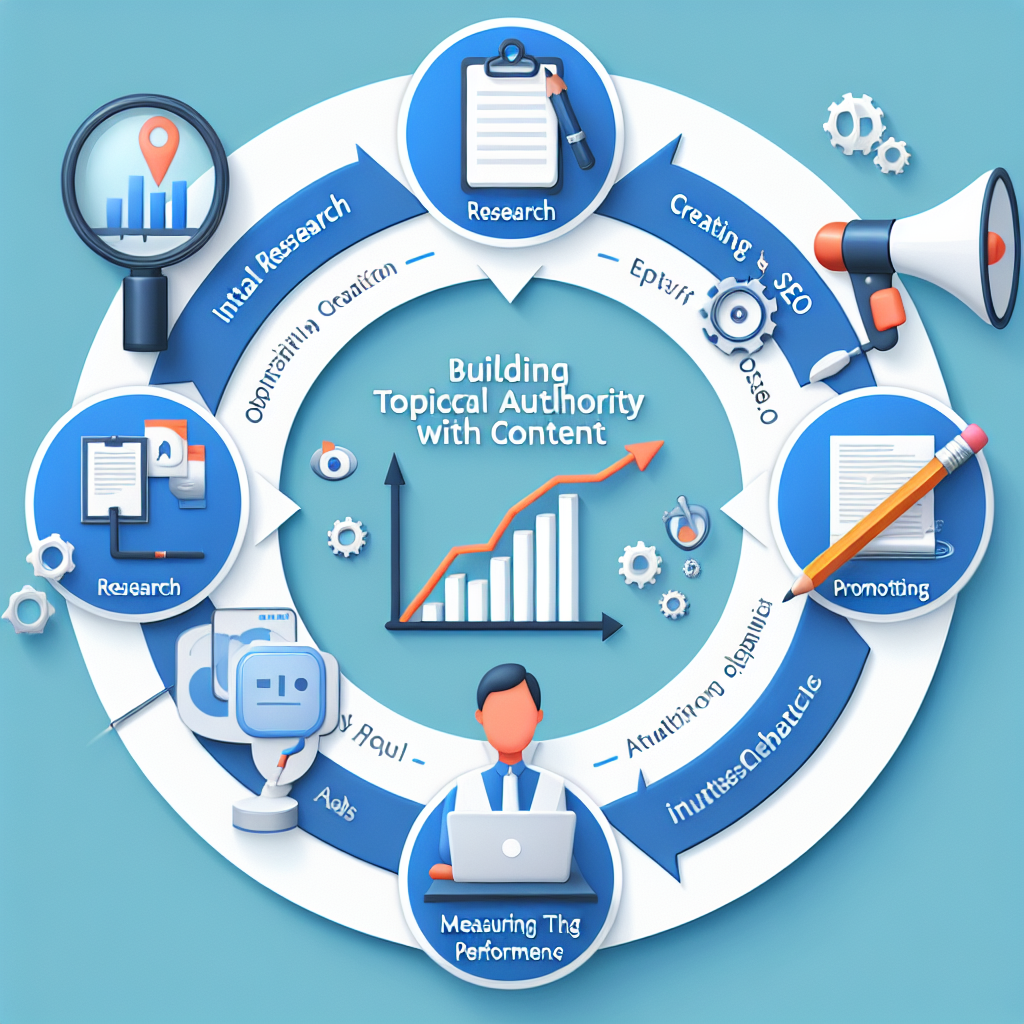
Developing a Comprehensive Content Strategy
Understanding Your Niche
Alright, folks, let me begin by saying that jumping headfirst into creating content without a clear understanding of your niche is like trying to cook without a recipe. You might get a tasty dish by accident, but it’s more likely you’ll get a mess. Start by immersing yourself in the topic. Know it, love it, breathe it.
I’ve found that diving into forums and communities where your niche audience hangs out is a goldmine. Listen to their conversations—what are they excited about? What do they need help with? Answering these questions can prepare you to create more targeted content.
Your niche isn’t just about what you know, but also about identifying gaps in what others provide. Look for content that’s either missing or needs a refreshing spin. Trust me, finding these gaps can make you a go-to resource for a specific area in your niche.
Brainstorming and Planning
When I plan content, I map out the general themes and consider the common questions or issues. Sketching content ideas helps keep creativity flowing. I’d suggest using a tool like a mind map to visualize your content direction. It’s like your GPS for when you feel lost in the content maze.
Set out a content calendar. Now, I know it sounds old school, but having clear deadlines and topics in a calendar can do wonders for staying organized. It keeps you accountable and ensures you’re consistently putting out work to build your authority over time. Set reasonable goals, and don’t overburden yourself, or you’ll burn out faster than a cheap candle.
Consider diversifying your content types—articles, videos, infographics. Not everyone likes reading essays, and we live in a multimedia world. Mixing formats can capture more eyes and ears.
Researching Your Audience
Knowing your audience is crucial. And no, I don’t mean just skimming through broad demographics. Dive deeper! Use tools like Google Analytics or social media insights to grasp their behavior and preferences. Understand what makes them tick, and you’ll be speaking their language in no time.
Over the years, I’ve made it a habit to reach out directly—surveys, direct feedback, you name it. Sure, it’s extra effort, but getting direct responses about their needs can help tailor your content more closely to their expectations.
Once you understand them better, you can refine your content strategy to align perfectly with their interests, leading to greater engagement and authority in your niche. Remember: be a friend, not a salesman.
Crafting High-Quality, Relevant Content
Focusing on Quality Over Quantity
I’m going to let you in on something—content might be king, but not all kings are equal. It’s really about the quality that counts. You don’t need to churn out dozens of articles weekly. It can hurt more than it helps because—newsflash—Google loves well-crafted content that truly adds value.
My advice? Focus on producing fewer, but higher-quality pieces. This means deep research, insights, and often, a bit of personal flair. Let your personality shine through, and don’t shy away from taking a stand on issues in your niche.
Remember, engagement is often higher with content that strikes a chord, so aim to evoke some emotion in your audience. Get them thinking, agreeing, or even debating. The interactive nature of quality content boosts your authority massively.
Incorporating SEO Best Practices
Now, I know SEO can be this mysterious and scary term some folks avoid, but really, it’s just about making sure people can find your amazing content. Start by using SEO tools to help identify the best keywords, and weave them naturally into your content.
Don’t forget about long-tail keywords! They are usually less competitive and more specific to what people type in the search. Tailoring some content to these can give you a nice bump in search engine visibility.
Also, pay attention to meta descriptions, alt text for images, and internal linking. They might seem small, but they pack a punch in how search engines perceive your content. Oh, and keep everything mobile-friendly. You’d be surprised how many folks are searching on the go!
Creating Content That Solves Problems
Nothing builds authority faster than content that solves problems. And by problems, I mean addressing the questions or difficulties your audience is experiencing. When your content is helpful, people start seeing you as an authority—basically, their content superhero.
I’ve made it a point to create content that guides my audience step-by-step through processes. Whether it’s a comprehensive how-to guide or a simpler tips and tricks post, providing actionable solutions makes a massive difference.
It’s about being that valuable resource that readers think of first when they have a problem. Trust me, there’s something incredibly satisfying about knowing that your content has truly helped someone!
Engaging Your Audience Effectively
Building a Community
One of my favorite parts of this journey is building a community. I always love thinking of my audience as one big family, albeit a diverse one! When you create a sense of belonging, your audience is more likely to engage with your content, which in turn boosts your authority.
Encourage interaction by asking questions, responding to comments, and maybe even hosting live sessions. Genuine interaction can be more rewarding than a thousand views. Plus, those interactions give you invaluable insights into what your audience is passionate about.
Building a community means being genuine. Be authentic in your communication, and don’t try to be perfect. Audiences appreciate humanity and realness. It’s like they say, keep it real to keep it engaged.
Utilizing Social Media
Oh man, I’ve seen social media change the game in building authority over the years. Platforms like Twitter, Instagram, and LinkedIn aren’t just places to share cute cat pics—they’re where your content can shine and spread. Sharing your content there is essential, but also engage with other content related to your niche.
By doing so, you’re not just broadcasting, but interacting. Start conversations, join threads, and most importantly, listen to what people are saying. Social media can greatly amplify your presence and authority if used wisely.
And you know what? Don’t be afraid to experiment. Try different formats and see what works best for your audience on each platform. They each have their vibe, and tuning into that can massively boost your engagement.
Driving Engagement through Email
Email might seem a bit old-fashioned to some, but boy does it work! An email list is like gold in the content world. These are the folks who’ve said, “Hey, I want to hear from you,” and building that list is a crucial step in establishing authority.
Personalize your emails. People appreciate a personal touch, and it makes them more likely to engage. Share valuable insights, exclusive content, or simply a behind-the-scenes look into your work. Make it worth their while to open your email.
Remember to test different approaches—whether it’s the subject line, the content, or the frequency. Evolve your strategy based on your audience’s responses. It’s all about creating that trust and keeping your community looped in.
Leveraging Authority Building Platforms
Guest Posting on High-Authority Sites
Guest posting is like borrowing an audience while also lending credibility to your name. If there’s one tip I swear by, it’s to seek opportunities to write on high-authority websites in your niche. It’s a win-win: you get exposure, and they get quality content.
However, don’t just spam sites with your content proposals. Take the time to understand their style, their audience, and tailor your pitch accordingly. Quality over quantity, remember?
Think of guest posting as planting authoritative seeds in various gardens. When the audience sees your valuable input, they’re likely to come check out your garden too!
Collaborating with Influencers
Ah, influencers! Love them or hate them, they hold incredible sway over their audiences. Collaborating with the right influencers can boost your visibility and enhance your authority quicker than you might think.
Reach out to those who align with your niche and values. Whether it’s a co-created piece of content or a feature on their platform, these partnerships can introduce you to a whole new audience.
Just ensure it’s a genuine match. You want to be authentic because trying too hard to fit in where you don’t belong can backfire. When done right, collaborative efforts can feel like you’re joining forces for a superhero team-up!
Participating in Webinars and Podcasts
I can’t emphasize enough how powerful webinars and podcasts are for authority building. They let you showcase your expertise in a direct and engaging format. Being the voice your audience hears talking about important matters in your niche leaves a lasting impression.
Try hosting or joining webinars and podcasts that target your audience. They provide a platform to delve deeper into topics and address questions in real-time. And don’t worry, you don’t have to be a tech whiz to get started; there are plenty of user-friendly tools to help out.
These formats allow you to connect with your audience on a more personal level, and trust me, when they hear your voice and passion, it further cements your position as an authority in your field.
FAQ
What is topical authority, and why is it important?
Topical authority is the status of being recognized as a credible and knowledgeable source on a particular subject or niche. It’s crucial for establishing trust with your audience and enhancing your visibility on search engines.
How long does it take to build topical authority?
There’s no magic number, but building topical authority is a long-term game. It can take months or even years of consistent effort. Patience and persistence are key!
Can I build authority in more than one niche?
Sure you can, but it’s usually more effective to focus on one niche initially. Once you’ve established authority there, you can branch into other related areas if it makes sense for your brand or expertise.
Are there tools to help with the content strategy?
Absolutely! Tools like SEMrush, Moz, and Ahrefs can provide valuable insights into keyword trends, competition, and audience behavior, helping to refine your content strategy.