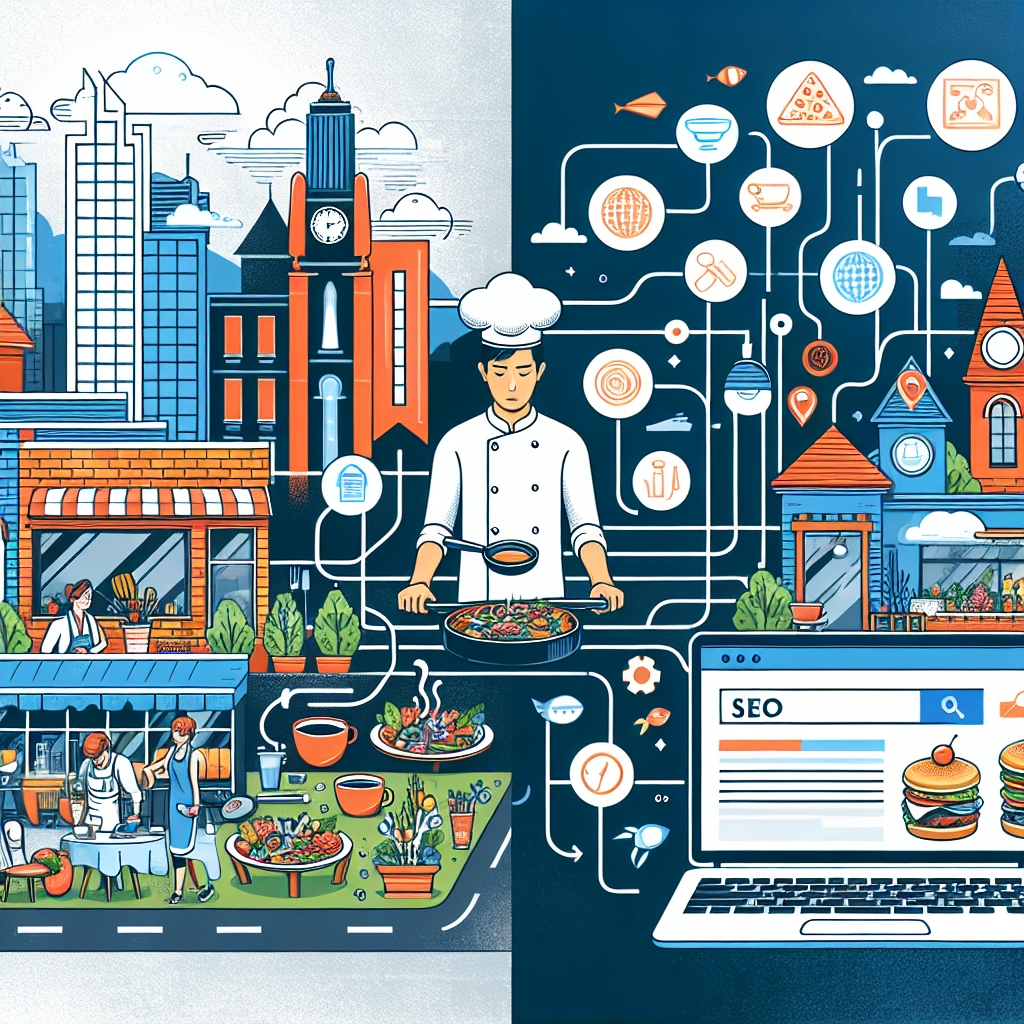
Local SEO Optimization
Understanding Local SEO
Local SEO is all about optimizing your online presence to attract more business from relevant local searches. I learned it’s crucial because, well, if you want locals to flock to your joint, you’d better be visible in their search results. Think of it as leaving a breadcrumb trail for hungry searchers.
The first step is setting up your Google My Business profile. Make it shine with up-to-date info, photos, and your menu. Trust me, this small step can make a big difference. It’s like putting up a neon sign in the digital world.
As I started focusing on local SEO, I also saw the importance of getting into local directories and even linking up with other local businesses. The internet is a big place, and cozying up with local players can do wonders for your visibility.
Geotargeting Content
Your website is the perfect canvas to paint your local story. You want content that sings to locals, mentioning neighborhoods and local landmarks. Consider this your chance to brag a little. I always recommend creating blog posts about local events or suppliers to show you’re part of the community.
Geotargeting can also include the use of metadata. It’s a fancy word for the background elements of your website that tell search engines where you’re based. Master these simple tweaks and you’ll start popping up in local searches more frequently.
Using local language—like colloquialisms or mentioning local events—also personalizes your interaction with potential customers. Trust me, speaking their language makes you relatable and memorable.
The Power of Mobile Optimization
Most people look up restaurants on mobile devices, and in my experience, ensuring your site works flawlessly on a phone is non-negotiable. Check your site frequently on different devices to get that smooth user experience everywhere.
Keep your website loading fast and keep those finger taps minimal. People are impatient, and a slow website can deter hungry customers. I make it a point to optimize images and clean up coding to maintain speed.
Also, consider mobile apps or dedicated pages that give a brief, appealing snapshot of your offerings. It’s like a digital appetizer, getting people hungry enough to come for the main course.
Online Review Management
Responding to Reviews
Reviews can make or break you, and responding is crucial. Acknowledging both the praise and the complaints shows you’re human and you care. When I learned how to engage with reviews, I saw how valuable feedback can turn into customer loyalty.
When handling negative reviews, avoid getting defensive. I found constructive responses, showing you’re attentive and ready to improve, can win over disgruntled customers. Plus, future customers appreciate seeing how issues are resolved.
Positive reviews deserve a heartfelt thanks. Reinforce those warm and fuzzies so they’ll come back or rave about you to others. It’s always worth taking a moment to express gratitude for their patronage.
Encouraging Customer Reviews
Getting reviews isn’t always straightforward. In my experience, you often have to ask nicely! Encourage diners to leave feedback, perhaps offering a small incentive like a discount. It’s a gentle nudge that can go a long way.
Displaying reviews in prominent locations on your website or social media can also encourage more participation. People love seeing real experiences. It’s the digital equivalent of word-of-mouth, with proof.
I often advise businesses to create easy pathways for leaving reviews, like QR codes on receipts or direct links in follow-up emails. Make it as effortless as possible for your customers.
Review Analysis
Going beyond just glancing at reviews, analyzing them can give great insights. What gets praised or criticized often points to bigger patterns or trends. I’ve found that analyzing reviews regularly can lead to better strategic decisions.
Sorting through the feedback might be time-consuming but pays off. Track what aspects of your menu or service keep cropping up. Learn from this data to adjust your operations accordingly.
This learned information can also shape marketing strategies. If customers rave about your coffee art, maybe it’s time to feature that more prominently in your online presence.
Social Media Marketing for Cafes
Content Creation
Social media content is where you flex your creative muscles. Cafes are primed for Instagrammable moments. Every delicious dish or latte can become a piece of art on platforms like Instagram.
Videos work wonders too. Behind-the-scenes clips, quick tutorials, or showing how a dish is made can stir interest. I’ve always believed in using social media as an extension of your brand’s personality.
Each post should have purpose, echo your cafe’s vibe, and include those all-important hashtags to reach the coffee-lovers far and wide. Consistency here breeds familiarity and interaction with your audience.
Engagement Strategies
Engagement is a two-way street. I found that asking questions, hosting polls, or encouraging comments not only boosts interaction but also makes social media fun for customers.
Going live, especially during a new menu rollout or event, can create buzz. Addressing followers directly strengthens relationships and enriches their experience with your cafe.
Frequent engagement ensures your cafe remains top-of-mind. Respond promptly and openly to customer comments. They need to know there’s a real person behind the screen who’s ready to chat and share.
Collaboration and Partnership
Teaming up with local influencers or businesses can multiply your reach. Collaborative posts or hosting joint events can attract their followers to your cafe. I’ve seen firsthand how beneficial and fun these partnerships can be.
Look for like-minded organizations, perhaps a local pastry shop or brewery. Co-branded products can be a hit and further solidify your presence. Plus, it can foster a sense of community not only online but in real life.
I always say, in cooperation there’s momentum. Ride the wave of mutual interests to amplify your social media marketing efforts to your benefit.
Menu Keyword Optimization
Keyword Research
Before diving into optimization, you’ve got to know what folks are searching for. Dig into trending food terms and phrases. I’ve done this by using tools like Google’s Keyword Planner to get ahead of the game.
Think about localized terms too. Incorporating the names of local specialties can appeal greatly to neighborhood patrons looking to indulge nearby. It’s all about being relatable from a search engine’s standpoint.
Keep compiling and revising your keyword list. Culinary trends change, and being nimble means you stay relevant. Regular research puts you in the right position to catch new opportunities as they arise.
Incorporating Keywords into Menus
Translating keyword research into the menu doesn’t mean stuffing irrelevant terms willy-nilly. Feel natural. Integrate those keywords seamlessly into item descriptions so they sound just as delectable as they taste.
One tip: Keep readers’ hunger piqued with vibrant, creative descriptions. Sprinkle in those keywords, and Google and your customers will love you for it.
I enjoy working closely with chefs to brainstorm mouth-watering descriptions where keywords add flavor without overpowering the natural charm of our offerings.
Menu Updates and Testing
Updating your menu often can ensure freshness—both in the actual dishes and its online presence. I recommend revisiting keywords and adjusting based on analytics feedback. It’s not just about having a great menu, but a visible one.
I put templates and analytics into practice to assess what’s working. Test different descriptions, combinations of keywords, and presentation styles to see which perform better in attracting clicks and visits.
Running these tests might seem exhaustive but are vital in refining your menu’s impact. The cumulative knowledge can shape your strategies in making menus more effective marketing tools.
FAQs on SEO for Local Restaurants and Cafes
What is Local SEO and why is it important for cafes?
Local SEO helps cafes appear in searches by locals looking for good eats nearby. It’s important because it bridges the gap between digital search and foot traffic to your door.
How can responding to online reviews impact my restaurant?
Responding shows you care about customer experience. It can turn negative experiences into opportunities and reinforce positive ones, building loyalty and boosting your reputation.
Why should I care about social media marketing?
It’s a powerful way to engage with customers in real-time, share your cafe’s culture, and connect meaningfully with your community. Plus, it extends your reach beyond your physical location.
How do I choose the right keywords for my menu?
Research trending food terms, focus on local specialties, and tweak existing menu items with keywords naturally. Regularly review the search data to adapt to changing culinary interests.