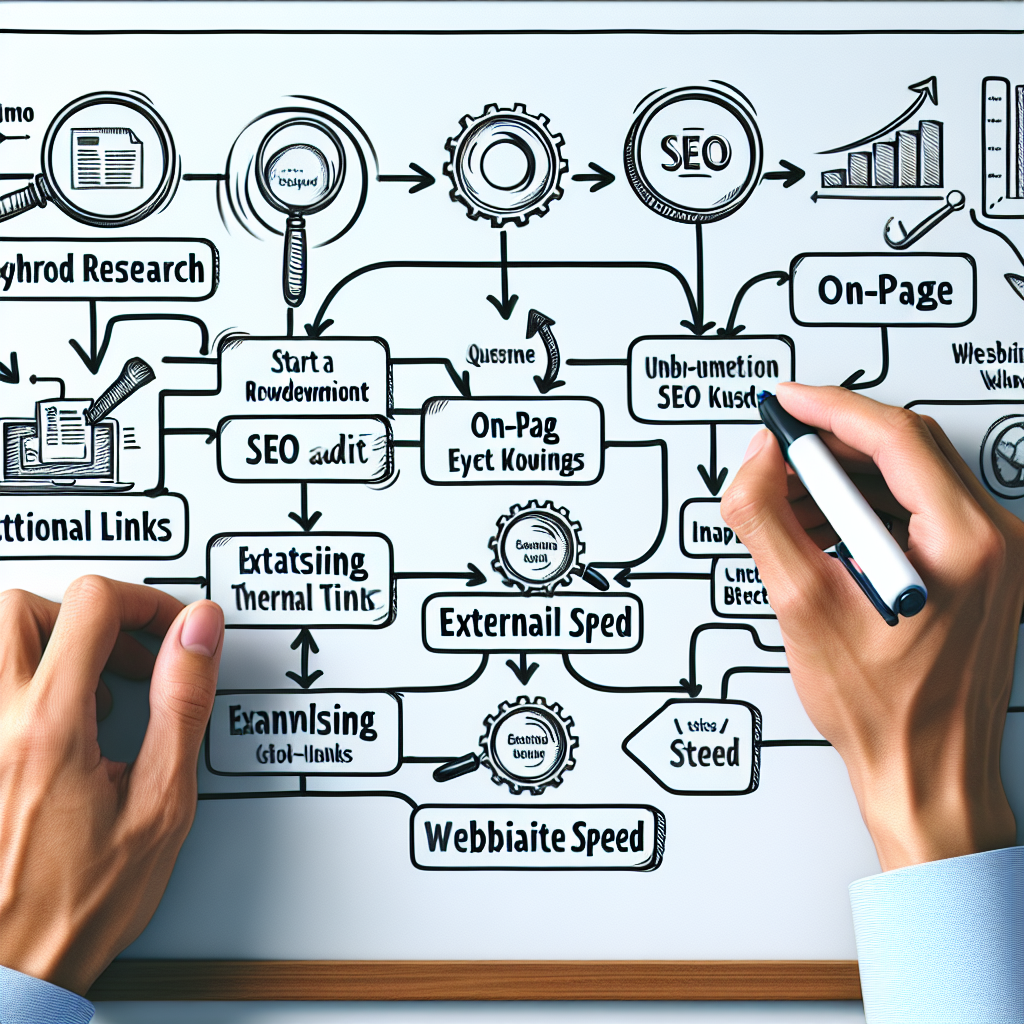
Identifying Technical SEO Issues
Understanding Crawl Errors
When I first delved into the technical side of SEO, I realized that crawl errors are one of the most critical things to check. Search engines need to crawl your site smoothly to index your pages effectively. So, to kick things off, always make sure there are no blocks to crawlers; this can be snags in your robots.txt file or sitemap.xml discrepancies.
I’ve used Google Search Console extensively to detect and fix these issues. It’s free and packed full of features that tell you exactly which pages have problems. Secondly, always keep an eye on the server response codes. A healthy website should have more 200s and avoid 404s like the plague.
Once you get the hang of understanding these tools, you’ll start to realize that fixing crawl errors becomes almost second nature. Ensure your website is crawlable and watch your SEO performance skyrocket.
Page Speed Insights
Ever clicked away from a page because it took forever to load? You’re not alone. Page speed plays a big role in user experience and, subsequently, in how search engines rank your website. I habitually use tools like Google’s PageSpeed Insights to audit and tweak our website’s speed.
The first thing you’d notice is the breakdown of scores along with suggestions. It’s almost like a doctor’s prescription for what ails your website. From caching issues to image optimization, always implement the recommended changes for a faster loading experience.
Here’s a tip from my personal toolbox: leveraging browser caching and minifying scripts can do wonders for your site speed. Make sure these settings are optimized, and you’ll see a difference not just in loading times, but in user retention too.
Mobile Friendliness
With most of us spending our days glued to smartphones, ensuring that your site is mobile-friendly is non-negotiable. A site’s responsiveness on different devices is a ranking factor. I can’t stress enough the importance of this, as Google takes mobile-first indexing seriously.
Always run a mobile-friendly test, which checks how easily a visitor can use your page on a mobile device. Doing this gave me insights that were indispensable when optimizing our site. Comparative evaluations before and after changes were illuminating.
Personally, I recommend employing responsive design techniques. They’re a mix of art and engineering that ensures your site looks good and works well, no matter where it’s displayed. Give your visitors a seamless experience, and they’ll keep coming back.
Analyzing On-Page SEO Factors
Title Tags and Meta Descriptions
Oh, the magic of title tags! They’re the first impression in the search results and should be catchy yet informative. Every audit I perform includes a full check-up of our website’s title tags. They need to be relevant and include the main keywords but also entice users to click.
Meta descriptions are short snippets providing a preview of the page content. I make it a point to craft unique and engaging descriptions for each page, boosting our CTR (Click-Through Rate). Consider the meta description your sales pitch in SERPs (Search Engine Results Pages).
Here’s my secret sauce: Always test your titles and descriptions to see what pulls in the most traffic. Tuning these elements can have an unexpected impact on traffic flowing through the gates of our digital kingdom.
Keyword Optimization
Keyword optimization isn’t just about stuffing your page with as many keywords as you can—it’s about finding a balance and focusing on context. From my experience, long-tail keywords often bring in the most engaged visitors.
When I’m performing an audit, I check how keywords are integrated into headings, paragraph text, and ALT tags for images. Proper distribution and relevance across your content are key factors that can elevate your search visibility.
I’ve also discovered the power of semantically related keywords. They broaden your scope and give you coverage on variations of user searches that are contextually related to your focus topic. Use tools like Google’s Keyword Planner or SEMrush as we do in our audits.
Internal Linking Strategy
Strategic internal linking is your Swiss army knife in on-page SEO. They help in directing visitors to related content and distributing page authority across the site. Every deep dive into our website’s performance includes evaluating our link structures.
Always ensure that links are relevant and add value to the user’s experience. Throwing random links everywhere isn’t helpful. Each internal link should serve a purpose and enhance the user’s journey on your site.
Consider consistency and frequency. Make sure the inter-linking retains thematic integrity. Properly linked content guides users and search engines, driving better rankings and helping users find content they appreciate.
Evaluating Off-Page SEO Efforts
Backlink Profile Analysis
I’ve learned over the years that not all backlinks are created equal. Your links should come from reputable sources. A solid backlink profile is like having renowned references for a job application. But how often do you check yours?
I use tools like Ahrefs or Moz to analyze the quality and quantity of backlinks, making sure there are no toxic or spammy links that could hurt our site’s authoritative reputation. It’s critical to remove or disavow harmful links to protect your SEO efforts.
Remember, consistent quality over quantity will earn and maintain search engine trust. So keep your eye on the ball and regularly audit your backlink landscape.
Social Media Presence
Social media isn’t just for sharing memes and keeping up with friends—it’s an essential component of a holistic SEO strategy. While social media signals aren’t direct ranking factors, they play a pivotal role in brand visibility.
I often notice how our pages perform better in search results when we have an active social media presence. It’s a ripple effect—more visibility leads to more backlinks and more traffic. Every positive interaction can turn an audience into brand ambassadors.
Make sure you’re actively promoting new content across social platforms, engaging with your community, and building relationships. This can indirectly boost your search engine rankings, based on my own trial and error experience.
Guest Blogging
When done right, guest blogging can be a golden ticket to improving off-page SEO. I always view it as an opportunity to showcase expertise while earning authoritative backlinks to our website.
Your aim should be to write high-quality content for other reputable websites in your niche. Not only does this get your name out there, but it also drives referral traffic back to your respective pages.
Furthermore, guest blogging fosters new relationships and can result in valuable partnerships. Over time, I’ve seen our network grow and brand authority solidified by deploying well-thought-out guest blogging strategies.
Reviewing Content Quality and User Experience
Content Relevance and Value
Content is king, but only if it’s relevant and offers genuine value. I tell anyone who’ll listen that understanding your audience’s needs is paramount when creating content. Make sure your content resonates with them, solving problems or providing new insights.
In our audits, we evaluate whether our content answers user queries effectively or needs sprucing up. Regular content audits have saved us from unnecessary redundancy that otherwise cluttered our message.
Also, consistently update existing content to maintain its accuracy and timeliness. Visitors appreciate the latest information and that keeps them coming back. Check out our evergreen strategy tactics to help here.
Site Navigation and Architecture
One thing I can’t stress enough is that a poorly structured site is like a book with missing chapters. Visitors should find it easy to navigate through your website. In our audits, I’ve made it a point to check out the layout, ensuring a smooth interface and consistent user experience.
Good website architecture positively affects how search engines understand your site. The emphasis is on hierarchical, intuitive design. I’ve corrected our site navigation multiple times before striking balance, so don’t shy away from restructuring if you need to.
Use clear headings, subheadings, and levers to guide readers seamlessly. Keep pathways clear, concise, and avoid overwhelming users with too many options or complicated directions.
User Engagement Metrics
The buzzword thrown around a lot is engagement—how users interact with your content can reveal precious insights. I suggest keeping an eagle eye on metrics like bounce rates, average session duration, and pages per visit during your audits.
Our team makes sure we align content with the audience’s interests. High bounce rates often mean a reassessment of what’s on the page, and improving user engagement can mean reformatting or adding diverse content types for varied experiences.
Continually test and tweak until you hit the sweet spot. Interactive content—quizzes, videos, infographics—is an excellent way to boost engagement and consequently retain users’ attention longer, reducing bounce rates and increasing satisfaction.
FAQ
What is a website SEO audit?
A website SEO audit is a thorough examination of your website’s overall health, identifying issues that may hinder its performance in search engines and offering actionable insights to optimize for better rankings and user experience.
How often should I conduct an SEO audit?
It’s wise to perform an SEO audit at least every six months to ensure your site stays updated with the latest best practices and any changes in search engine algorithms, enabling proactive adjustments and continual optimization.
Can I perform an SEO audit myself?
Absolutely! While initial audits can seem complex, numerous tools and resources are available to guide you through the process. Start small, and with practice, you’ll gain confidence in assessing your site’s SEO health.
What tools do I need for an SEO audit?
Some essential tools include Google Search Console, Google Analytics, SEMrush, Ahrefs, and Moz. These help in identifying technical issues, understanding user behavior, and optimizing your content and site structure.