Table of Contents
- Understanding Core Web Vitals
- Importance of Core Web Vitals in SEO
- Steps to Enhance Core Web Vitals
- Tools to Measure Core Web Vitals
Understanding Core Web Vitals
What Are Core Web Vitals?
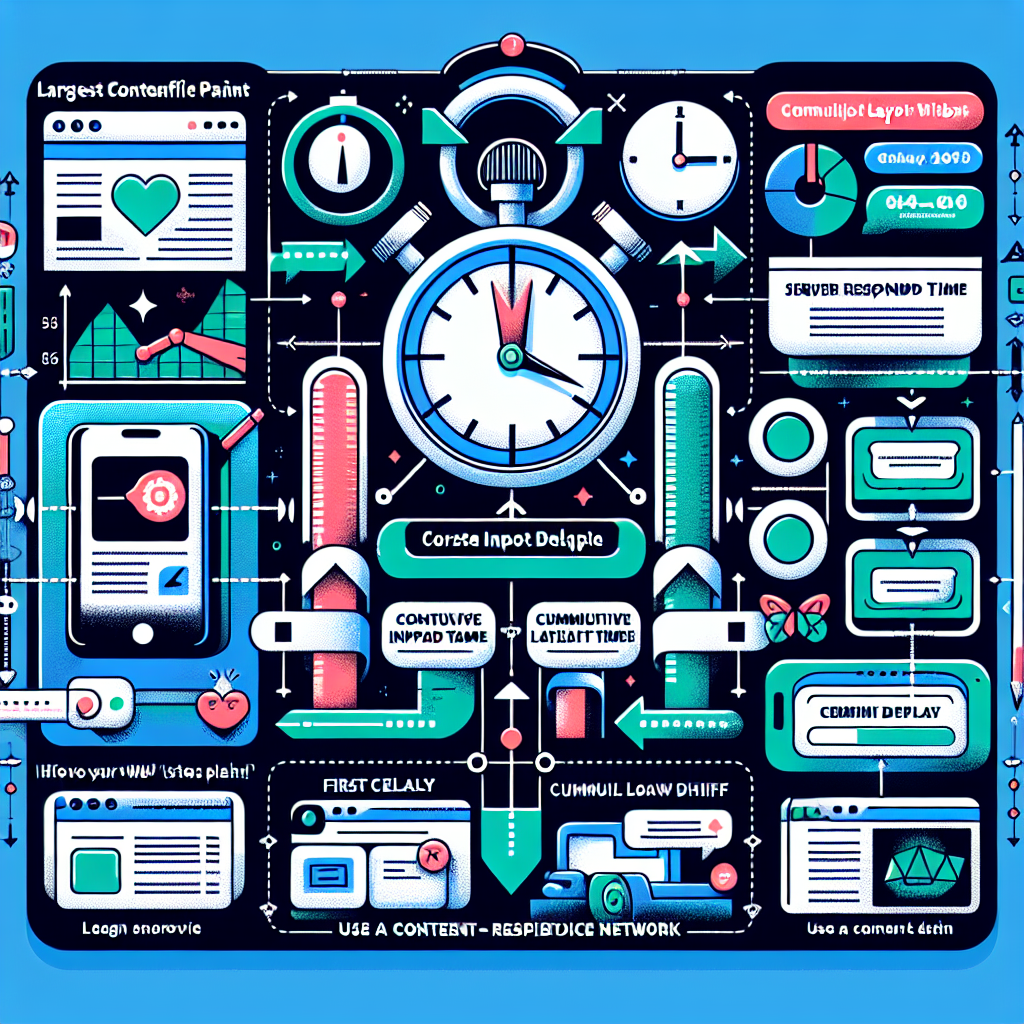
Alright, folks, let’s dive right in. Core Web Vitals are a set of metrics introduced by Google. They’re critical for understanding how your webpage performs based on real-world usage data. We’re talking about three main elements here: Largest Contentful Paint (LCP), First Input Delay (FID), and Cumulative Layout Shift (CLS).
LCP measures loading performance, FID looks at the interactivity, and CLS measures visual stability. When users visit your site, these are the factors determining their overall browsing experience. The smoother the ride you give them, the happier they’ll be.
From my personal experience, wrapping your head around these terms can be daunting initially. Yet, trust me; once you get the hang of them, they become this guiding light for refining your web performance efforts.
Breaking Down the Metrics
Starting with LCP, it assesses when the largest content element in the viewport is visible to users, ideally within 2.5 seconds. That’s loading time, in layman’s terms, and who likes waiting, right? Think images, videos, or large text blocks.
Then you have FID, which looks at the time from when a user first interacts with the page to when the browser starts processing that interaction. The shorter, the sweeter. Anything under 100 milliseconds is recommended.
We move on to CLS, which deals with those annoying content shifts we’ve all faced while reading an article when an ad suddenly shifts the text. Keep it minimal; a CLS score of less than 0.1 is ideal. Avoid all that page jankiness!
Why Core Web Vitals Matter
I’ll get straight to the point—poor scores in Core Web Vitals can lead to users bouncing off your site faster than you can say “SEO.” When pages load slowly, or layouts jump around, it frustrates users. Sound familiar?
Google has emphasized these metrics because they reflect a user’s experience on a page. These vitals essentially put users first, making them essential for anyone serious about keeping visitors engaged and happy.
In my journey with web performance, improving these metrics has not just improved site speed but has also enhanced user satisfaction, leading to longer sessions and reduced bounce rates. All this means better business outcomes in the long run.
Importance of Core Web Vitals in SEO
The Connection Between Vitals and Rankings
Did you know that Core Web Vitals play a pivotal role in SEO rankings? Google uses these to help gauge the user experience when ranking your site. It’s part of the Page Experience Update, meaning it’s a dealbreaker for climbing up the SERPs.
My advice? Don’t overlook this! A site that meets these performance expectations stands a better chance at visibility. Perfecting these metrics means you’re not just optimizing for search engines but focusing on real people who access your site.
I’ve seen firsthand how working on improving these scores not only brings better traffic but also sends positive vibes to your audience, which can lead to a more loyal customer base, and believe me, that’s pure gold in today’s digital world.
Factors Affecting Search Visibility
There’s more to it. Besides Core Web Vitals, factors like mobile friendliness, HTTPS, and safe browsing are part of the Page Experience signals. But making it all run smoothly is where the magic happens.
A user-centered design ensures your content is accessible and engaging to real people and not just bots. When you focus on this, you’re enhancing the holistic performance of your website, making it a powerhouse in attracting and retaining visitors.
Nail this, and the rewards are boundless. With enhanced vitals, you propel your SEO strategy forward, improving site usability and ultimately delivering what users are on the lookout for. The ripple effect of these efforts is genuinely impressive.
User Engagement and Retention
Engagement levels soar when users have a seamless site experience—one without frustrating waits or awkward layout shifts. These experiences forge stronger connections, encouraging users to spend more time on your site, explore deeper content, and convert.
Removing barriers to engagement makes users feel valued. When they feel heard and understood, you pave the way for repeat visits. For instance, optimizing my site’s loading speed drastically improved user interaction. Gone were the days of skyrocketing bounce rates.
And believe me, when your audience feels like they can easily navigate and interact with your site, they’re much more likely to recommend it to others. It becomes this domino effect, generating positive word-of-mouth which is integral for organic growth.
Steps to Enhance Core Web Vitals
Optimize Loading Times
Let’s talk speed. To enhance LCP, start by optimizing images with the correct size and formats. Leverage lazy-loading for off-screen content to ensure only what’s necessary loads upfront. This approach cuts down hefty load times significantly.
Also, minimize JavaScript and CSS, making sure they’re non-blocking to speed up your pages. I usually recommend using async or defer attributes for scripts, which does wonders in preventing long-lasting delays during the loading process.
Using a CDN can further boost speed by serving content closer to your website visitors. A faster LCP isn’t just a technical achievement; it’s your way of rolling out the red carpet for your users. They appreciate it, trust me.
Improve Interactivity
So, FID is the next big fish. To reduce interactivity delays, closely examine third-party scripts which often slow down the party. I’ve found that streamlining how these scripts load and run significantly impacts response times.
You should aim at breaking up long tasks—these keep the main thread busy and delay user’s interactions. Splitting these tasks can significantly cut down on response delays, offering that responsive touch your visitors will love.
Finally, focus on browser caching to keep frequently accessed resources handy, reducing load times during repeat visits. Believe me, when you pay attention to these details, increased user satisfaction follows, with interactions flowing effortlessly.
Stabilize Page Layouts
Now, about CLS: this one’s a major pet peeve of mine. To seal the deal on layout stability, ensure size attributes for media and ads are defined from the get-go, maintaining a consistent visual experience without those pesky shifts.
One more thing—you might want to be mindful about dynamic content. When you account for how and where elements appear, it minimizes sudden movements during loading, especially on mobiles.
Aligning your assets with intent avoids unexpected jumps. It reflects a polished professionality that makes your site stand out. I’ve adopted these strategies on several projects, and let me tell you, user feedback was all about that smooth, pleasant experience.
Tools to Measure Core Web Vitals
Leveraging Google’s Tools
No need to reinvent the wheel here—Google’s got you covered with free tools to measure Core Web Vitals. The Google Lighthouse and PageSpeed Insights are your go-to solutions for a deep dive into your site’s performance metrics.
Lighthouse provides detailed reports focused on key areas for improvement. You can run it through Chrome DevTools or directly from your site to get insights on LCP, FID, and CLS. They’re darn helpful in pinpointing areas that need some TLC.
Meanwhile, PageSpeed Insights dives deeper by showing field data, which is very helpful for understanding real-world usage and performance. Following these insights often leads to measurable improvements in core Web Vitals over time.
Why Third-Party Tools Matter
Sometimes, it’s beneficial to get a second opinion, and that’s where third-party tools like WebPageTest and GTmetrix come in. They offer additional perspectives and more in-depth analyses on site performance.
WebPageTest, for example, lets you test your website from multiple locations around the globe. This often gives more context into your load times and allows you to strategize geographically, if necessary.
GTmetrix combines its insights with focus areas from both Google and Yahoo, spotlighting intricate details you might miss with other tools. Using a variety regularly enriches your understanding of your vitals’ performance.
Interpreting the Data
Next up, let’s face the numbers and graphs. It can seem intimidating at first, but with some practice, decoding this data gets easier. Metrics indicate health, but you can’t just look at them blankly. You need to decide on actionable changes based on what you find.
For me, this means sitting down, pencil in hand, jotting plans on addressing low scores individually with a step-by-step action plan. It’s basically like going to the gym—you constantly observe, adjust, and improve.
Keeping a regular check and updating adjustments can make all the difference between hitting those top vitals goals and falling behind. Remember, the goal is not just improved scores but tangible enhancements of your users’ experiences across your site.
FAQ About Core Web Vitals
What are the three main Core Web Vitals?
The three main Core Web Vitals are Largest Contentful Paint (LCP), First Input Delay (FID), and Cumulative Layout Shift (CLS). They measure loading performance, interactivity, and visual stability, respectively.
How do Core Web Vitals impact SEO?
Core Web Vitals are a ranking factor within Google’s Page Experience signals. Good scores can enhance search visibility, improve user engagement, and foster retention, ultimately benefiting your site’s presence.
What tools can help measure Core Web Vitals?
Google’s tools such as Lighthouse and PageSpeed Insights are ideal for measuring Core Web Vitals. Third-party tools like GTmetrix and WebPageTest can also provide valuable insights.
How can I improve my Core Web Vitals score?
By optimizing loading times through compressed images and non-blocking scripts, improving interactivity with streamlined scripts, and stabilizing page layouts through well-defined size attributes for media, you can enhance your Core Web Vitals effectively.