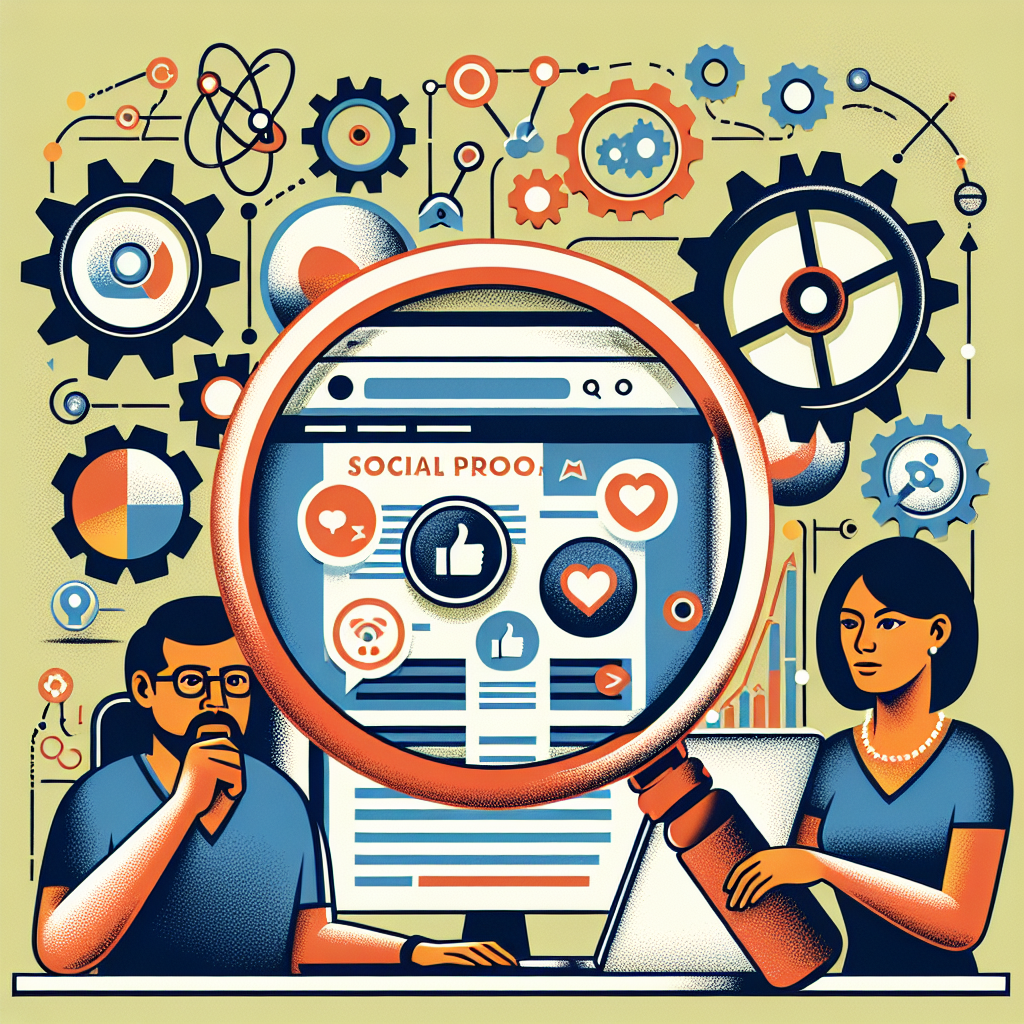
Understanding the Concept of Social Proof
What is Social Proof?
Alright, let’s dive in! Social proof is one of those marketing buzzwords folks love to throw around, but what exactly is it? At its core, social proof is a psychological phenomenon where people mirror the actions and decisions of others in an attempt to reflect correct behavior for a given situation. It’s like when seeing a line outside a restaurant makes you instantly curious about what might be so tasty inside.
From my own personal experience in the marketing world, I’ve seen social proof work magic. It’s the comforting nod of approval, the subtle way our brains confirm we’re not making a mistake. When people are unsure what actions to take next, they often look to others for guidance. This is that “everyone’s doing it, so it must be right” kind of thinking.
In the digital space, it’s amplified. Think online reviews, influencers touting a product, or the classic case of seeing a product labeled as “bestseller”. This forms the bedrock of trust that fans the flames of buying decisions. Trust me, it’s powerful stuff!
Why Social Proof is Crucial
Imagine standing at a fork in a road and everyone else is motoring down the right path. Which way are you likely to go? That’s the pull of social proof. It’s as if there’s this invisible gravitational force nudging us towards making choices others have made.
From working with various marketing campaigns, I’ve come to realize that establishing trust quickly is essential. This is especially true online where individuals are bombarded with hundreds of messages daily. When people see others vouching for a product or service, there’s a natural tendency to believe and trust more easily.
Social proof serves as a societal guidepost in the chaotic online marketplace. It cuts through the noise and directs attention, making it a must-have tool in any savvy marketer’s toolkit.
The Psychology Behind Social Proof
Dive into a bit of psychology with me—it’s fascinating stuff! Humans are social animals, and as such, we thrive on cues and signals from others. The decisions others make often act as shortcuts for our own decision-making processes.
In the many campaigns I’ve spearheaded, leveraging the psychology behind conformity and desire for acceptance has been a game changer. It’s the uncanny need to keep up with the Joneses—but amplified to a global scale online.
Understanding this psychological foundation enables marketers to craft campaigns that not just tell people what to do, but show them that everyone else is doing it too. Harness this the right way, and it forms the backbone of a successful conversion strategy.
Types of Social Proof That Boost Online Presence
Expert and Influencer Endorsements
Earning an expert’s nod can transform a brand. When an influencer or well-respected individual in a niche advocates for a product or service, it acts like a beacon of approval. It says, “Hey, I’ve tried this—you should too!”
From my personal projects and collaborations, I’ve witnessed the magic when a familiar face endorses a product. The clout, the trust, and the wide reach they possess can supercharge any campaign’s effectiveness.
This is why building genuine relationships with influencers is key. It isn’t just about numbers; it’s about authenticity and alignment that resonates with audiences, leading to stronger belief and trust.
User Testimonials and Reviews
Feedback from real users? That’s golden! Personal testimonials create relatable connections. It’s everyday people sharing their story and experiences with your product or service. It humanizes the brand.
In many campaigns, I’ve stressed the importance of genuine user reviews. They add layers of credibility and authenticity no marketing spiel can match. They’re real-talk recommendations straight from the horse’s mouth (so to speak).
Gathering and showcasing this feedback not only boosts trust but also reveals insights into user satisfaction and areas needing improvement. It’s a win-win for both brand and consumer.
Social Media Signals
With the world going digital, social media has become the ultimate stage for showcasing social proof. A high number of likes, shares, and comments do more than inflate egos; they elevate a brand’s standing in the eyes of others.
From the work I’ve put into social media strategies, maximizing engagement has been a pivotal focus. Not just to appease algorithms but to signal social proof. When users see strong interactions on a brand’s post, it tells them there’s something worth checking out.
By fostering community, interaction, and dialogue, brands create a lively digital presence that serves as a testament to real-world relevance and popularity.
How Social Proof Influences SEO
Enhancing Credibility and Authority
Search engines love credibility. When your website or brand is littered with social proof, it indirectly tells Google and its pals, “Hey, people trust us!” This boosts your credibility and enhances search visibility.
Reflecting on my own SEO campaigns, I’ve noticed that social proof becomes this unsung hero, marching quietly behind the scenes, bolstering reputation and trustworthiness. With every positive review or trusted endorsement, the wheels of search algorithms turn in your favor.
By embedding social proof into a strategy, you’re adding another dimension to your SEO efforts, helping it gain traction and climb those rankings.
Reducing Bounce Rates
If people are staying on your page, it’s a good sign to search engines. When users encounter familiar social proof elements, they’re more likely to stick around and explore. It reduces that pesky issue of high bounce rates.
I can recall several campaigns where simply integrating user reviews and testimonials on landing pages resulted in lower bounce rates and increased engagement. It’s like having a warm welcome mat at your digital front door.
Longer site visits signify quality content and relevancy to search engines, pushing your pages up the ranks. Work that bounce rate to your advantage. It’s worth it!
Encouraging Backlinks
Strong social proof can lead to other websites wanting to link back to you—a vital aspect for SEO. When you’ve got a buzzworthy, credible profile, others want a slice of that pie.
In my personal pursuit of strong backlink profiles, leveraging social proof has been fundamental. Websites naturally want to connect with and reference content that exudes trust and authority. It’s credibility by association.
Generating authentic interest encourages more backlinks, enhancing your domain authority and directly influencing your SEO performance. It’s all about building that web of trust.
Implementing Social Proof Strategies
Gathering Genuine Feedback
Get real with your audience. Authentic feedback is something no brand should overlook. Encourage your customers to share their experiences, highlight their voices, and amplify that in your marketing efforts.
Having worked on both ends, I know collecting testimonials and reviews can be a task, but it’s integral. Not only does it build trust, it provides invaluable insights for constant improvement.
Incorporating tools that automate feedback or setting up systems that encourage reviews post-interaction makes gathering customer voices seamless and impactful.
Partnering with Influencers
The world of influencers is vast and varied. Finding the right one for your brand is about alignment, not just reach. Their audience should mirror your target audience, creating a harmonious alignment of interests.
In building partnerships, I always advocate for transparency and genuine collaboration. When influencers believe in your product, their endorsement becomes more powerful and far-reaching.
Nurturing these relationships can elevate your brand’s presence, extending the reach of your social proof to vast and engaged communities.
Leveraging User-Generated Content
There’s a unique authenticity in user-generated content (UGC). It’s like letting your customers do the talking—all naturally. Encouraging your community to share their content related to your brand adds layers to your social proof strategy.
From my experience, campaigns that incorporate UGC often come alive, showcasing diversity and genuine appreciation. It’s not just about broadening your reach; it’s enriching the narrative from multiple perspectives.
Motivate users with incentives or recognition. The result? A trove of authentic content, enhancing credibility and visibility across digital channels.
FAQ
What is social proof and why is it important?
Social proof is a psychological phenomenon where people copy the actions of others in an attempt to undertake behavior in a given situation. It is important because it builds trust with potential customers, demonstrating that others endorse or use your product or service.
How can social proof improve SEO?
Social proof can enhance SEO by improving brand credibility, reducing bounce rates, and encouraging backlinks. Search engines favor sites that appear trustworthy and valuable, both of which can be demonstrated with ample social proof.
What types of social proof are most effective?
The most effective types of social proof include expert endorsements, user testimonials, and social media engagement. Choosing the right type depends on your brand and target audience.
How do I start implementing social proof strategies?
You can begin by gathering and leveraging user feedback, partnering with influencers who align with your brand, and encouraging user-generated content. Each of these strategies can help build trust and enhance your SEO efforts.