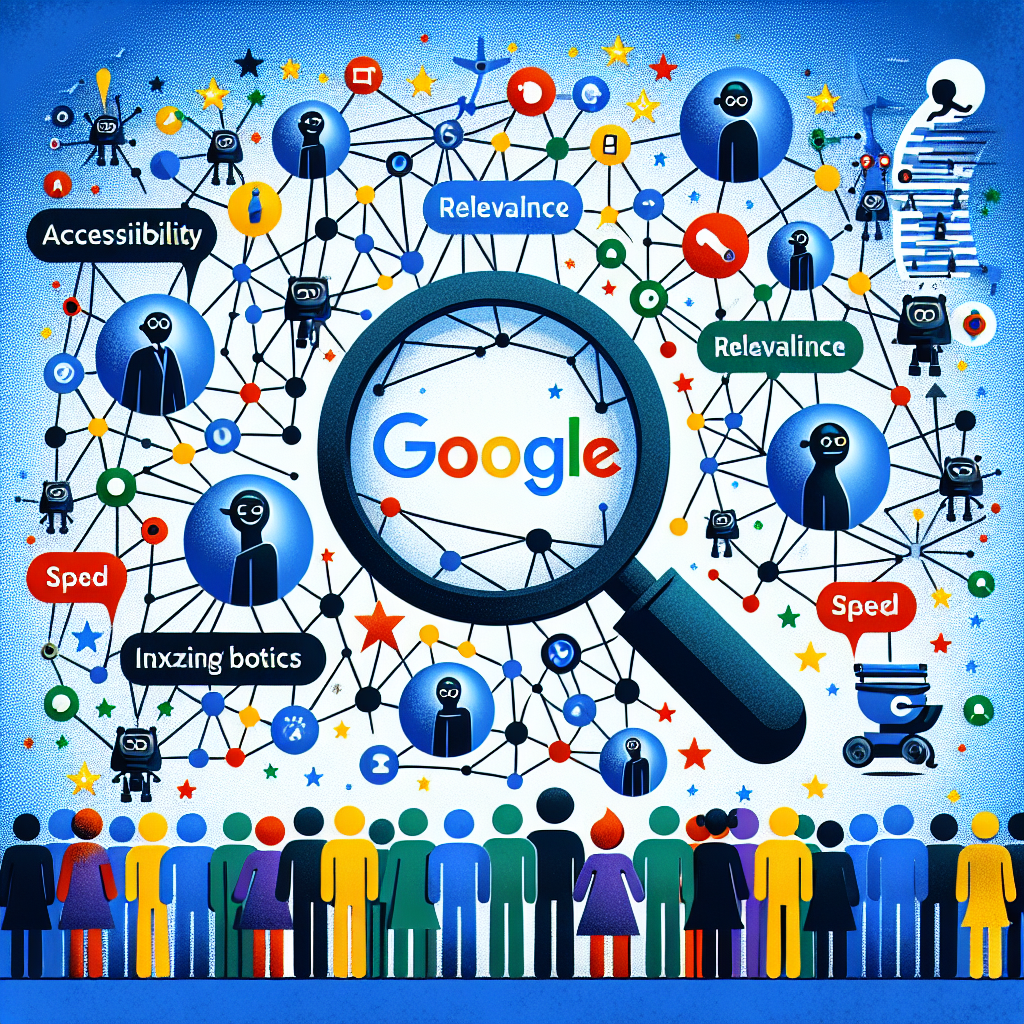
Understanding Google’s Search Generative Experience
What it is and How it Works
When we talk about Google’s Search Generative Experience, we’re diving into a realm where search isn’t just about finding links—it’s about understanding user intent at a deeper level. Google uses AI to tailor search results in a way that feels almost conversational. Gone are the days of typing fragmented queries and sifting through page after page of results. This technology attempts to “get” you right from the get-go.
How does it work, you ask? Well, Google’s algorithms analyze patterns and use machine learning to predict what users really want to know. It’s not just about keywords anymore; it’s about the context of those words and the nuanced meaning behind them. It’s like chatting with a friend who just “gets” you.
This change is significant because it shifts our perception of search engines. No longer are they just libraries to direct queries in; they’re now more like personalized assistants, offering suggestions and providing insights that align closely with what you’re after. This makes the search process efficient and satisfying, something we all crave when exploring the vast online world.
The Evolution from Traditional Search to Generative Techniques
I remember when search engines were basic, retrieving links based on exact keyword matching. Fast forward to now, and it’s like comparing a bicycle to a spacecraft. This evolution from basic search to sophisticated generative techniques has been driven by users’ ever-growing demands for relevance and accuracy.
In this brave new world, Google’s Search Generative Experience is a game changer. It has transformed the nature of search by introducing algorithms that comprehend the user’s emotional and informational needs. This isn’t just techy magic; it’s a science grounded in understanding linguistics and psychology.
The approach is akin to a friend who finishes your sentences. Google refines its system constantly, learning from user interactions to offer even more precise outcomes. And as it evolves, it’ll continue to blur the lines between human-like interaction and artificial intelligence, making our future interactions even more dynamic.
Why It’s Important for Everyday Users
The importance of Google’s Search Generative Experience lies in its impact on the everyday user, like you and me. In our fast-paced world, who has time to waste on inaccurate search results? This technology expedites our quest for knowledge, making searches intuitive and impactful.
Moreover, it personalizes our online journeys, adapting to our evolving interests and preferences. As casual searchers, we’re empowered to make informed decisions faster, thanks to this tailored approach. It’s like having a digital sidekick who keeps us on track and in the know.
For businesses and content creators, this experience revolutionizes engagement strategies. Providing relevant content becomes vital as the search engine seeks to deliver high-quality, user-centric outcomes. Ultimately, it’s a win-win; users get what they need, and content providers have the opportunity to shine based on relevance and expertise.
The Impact on User Search Behavior
How Users’ Approaches to Search are Changing
As someone who’s been in digital marketing for years, I’ve noticed a distinct shift in how people use search engines, and Google’s Search Generative Experience is at the heart of this change. Users aren’t restricted to typing queries verbatim anymore; they expect intuitive responses that fit their specific needs.
People today approach search with an conversational mindset, often phrasing queries like they would ask a question to a peer. It changes the dynamics of search from being a transactional exercise to a more engaging and fluid interaction. Users also have higher expectations for immediate and accurate answers, which these new technologies strive to fulfill.
This change obliges users and business owners alike to rethink their SEO strategies. Keywords remain crucial, but there’s now a bigger emphasis on natural language and the understanding of user intent. It’s challenging, but adapting to these changes is essential to remain relevant in this evolving digital landscape.
Increased Reliance on Voice Search
Let’s chat about voice search, another burgeoning trend directly influenced by Search Generative Experiences. With the rise of smart speakers and virtual assistants, more people are using voice to search. This means users expect coherent and accurate results spoken back to them, often in real-time.
For individuals like myself who embrace new tech, this shift is exciting. It requires a different approach to generate content that’s optimized not just for the eyes but also for ears. For instance, content must be structured in a way that easily fits into spoken responses. We’re looking at tailored answers that are concise and direct, matching the format of voice queries.
As voice technology intertwines with generative search, preparing for this mode of communication is crucial. Participants in the digital space need to consider rephrasing or restructuring content to better suit vocal interactions. As we move forward, the overlap of search generative tools and voice usage will rapidly grow, and readiness is key to fully leverage its potential.
Personalization and Intuitive Interactions
Today’s users crave personalization—they want search results that resonate with their unique tastes and experiences. Google’s Search Generative Experience delivers by using past interactions to refine future search outcomes. It’s like having search results that are a reflection of your own personality and habits.
The beauty of this approach lies in personalization. As a user, you see results that feel custom-crafted, making the attempt to find information smoother, more engaging, and frankly, more enjoyable. This level of intuitive interaction enhances overall user satisfaction, aligning with their implicit personal preferences.
Moreover, businesses thrive when they connect their offerings with user preferences. Understanding the importance of these personalized interactions allows marketers and entrepreneurs to not only cater to user expectations but develop deeper, loyal relationships with audiences. It’s about making each search session a fulfilling individual experience, which is where the real magic happens.
Implications for Digital Marketing Strategies
Shifting Focus Towards User Intent and Context
In the marketing realm, understanding user intent has always been crucial. With the rise of Google’s Search Generative Experience, the focus on context has grown exponentially. As marketers, we must shift away from the “one-size-fits-all” approach and hone in on what users are genuinely looking for.
We’re getting a front-row seat to user behaviors and preferences through the lens of AI. This means better-crafted marketing strategies that revolve around offering content directly aligned with user intent—think contextual relevance. It prompts a meticulous rethink of how to craft campaigns that are relatable and impactful.
As we lean more into context-based strategies, our insights become more refined. We can access deep data points that inform us about user journeys, enabling innovative solutions and personalized marketing, all thanks to the smarter search mechanisms that are becoming more mainstream.
Adapting SEO Practices to Align with New Technology
SEO is an ever-evolving practice. The Art of it lies in not just keeping pace with trends, but anticipating them. Google’s search generative model pushes marketers to adapt their SEO strategies, concentrating less on short-tail keywords and more on user-centric content that provides value.
For me, it’s about weaving storytelling into SEO. It’s about understanding how the content feels to the reader and providing answers to questions they haven’t even thought of asking yet. Crafting content that seamlessly integrates within the user’s search context is an increasingly vital skill.
This adaptation means continuously learning and unlearning old habits to stay on top of search features. Marketers who can harness this technology will have a competitive edge, utilizing the insights for innovative, engaging, and data-driven content that resonates with audiences on a deeper level.
Leveraging Data Insights for Targeted Campaigns
Another perk of the evolving search experience is the ability to glean significant insights from data. Google’s algorithms not only enhance user interaction but offer marketers a goldmine of information to refine their strategies. Understanding these insights can be a game-changer for targeted campaigns.
The insights gained can elevate campaigns in a big way. It means identifying patterns in consumer behavior and crafting personalized ads that speak to each user right at their point of interest, which amplifies engagement rates and, ultimately, conversion rates.
Utilizing data for smarter campaigns is not just beneficial—it’s becoming a necessity in our data-driven world. As a marketer, it’s about combining creativity with analytics to meet the demands of the new-age consumer. By leveraging these insights, businesses can engage audiences intelligently, creating more relevant and impactful content.
Future Prospects of Search Generative Technology
Trends and Predictions in Search Technology
Looking ahead, we’re stepping into an exciting chapter for search technology. As it evolves, it’s anticipated that Google’s Search Generative Experience will integrate even more seamlessly into our daily lives. The trend is unequivocally pointing towards a more intuitive and interactive search experience.
I foresee advancements that personalize content on an even deeper level. Incorporating sophisticated algorithms means search engines will potentially preempt queries, providing answers before users even articulate them. Such proactivity in search will redefine how we interact with digital information.
For marketers, staying ahead involves predicting and preparing for these shifts. It’s vital to keep an eye on trends, ensuring readiness for a landscape where knowledge is not merely sought but anticipated. The ability to transition with these changes will separate industry leaders from peers in this rapidly advancing digital age.
Challenges and Opportunities Ahead
While the future of search technology is promising, it isn’t without its challenges. Balancing privacy with personalization is crucial. Finding the sweet spot where user data usage is consensual and beneficial is an ongoing dilemma that companies like Google must navigate carefully.
However, with these challenges come endless opportunities. Companies ready to innovate and adapt can expand their reach and drive growth. For marketers, there’s an open field for creativity, leveraging new technology to offer even more nuanced, audience-specific campaigns that captivate users.
Facing these challenges head-on means strategizing around changing user expectations, embracing the evolving landscape, and creating marketing efforts that are not only successful but set the industry standard. With technology on our side, the potential within search is limited only by our imagination.
The Role of AI and Machine Learning in Shaping the Future
AI and machine learning will play pivotal roles in the future of search technology—they’re already beginning to do so now. These advanced systems underpin Google’s ability to fine-tune search results for precision and relevance, making them foundational in driving the next level of user interaction.
As someone deeply involved in marketing, I can’t stress enough the impact AI has on shaping our strategies. It allows for deeper data interpretation, razor-focused targeting, and adaptive content that keeps the audience engaged. We’re scratching the surface of its capabilities, promising a future of search that integrates seamlessly into the fabric of daily life.
Harnessing AI and machine learning, companies can break new ground in offering search experiences that are not just transactional but transformative. As these technologies advance, those ready to embrace them will be equipped to lead, anticipating and meeting the ever-evolving demands of users.
Frequently Asked Questions
What is Google’s Search Generative Experience?
Google’s Search Generative Experience refers to the advancements in search technology where AI is used to better understand user intent, offering search results that are more personalized and relevant.
How does Google’s Search Generative Experience impact marketing?
It shifts the focus to user intent, requiring marketers to align their strategies with personalized content that resonates with the audience, moving beyond traditional keyword-centric approaches.
What are the implications of search generative technology for SEO?
SEO practices must evolve to include more context-based strategies, focusing on creating natural language content that’s rich in user intent, rather than just targeting specific keywords.
What future trends can we expect from search generative technology?
Anticipated trends include more intuitive and proactive search experiences where AI and machine learning continue to personalize and predict user needs, enhancing overall interaction with digital content.